The Voice of Parents Abroad Is a Call to Responsibility – Greece Must Act Now
3 December 2025
The joint letter issued by parent associations of Greek-language education from nine European countries (24-11-2025), titled as “Safeguarding Greek-Language Education Abroad as a Prerequisite for National Continuity”, reveals a long-standing neglect: Greek schools and the Departments of Greek Language and Culture (TEG) abroad are operating below capacity, teachers are scarce, hardship allowances are insufficient, and the available funds never reach the students. Without substantial state support, Greek-language education is at risk—along with the preservation of the Greek language, identity, and history for the new generations of the diaspora. This situation is not merely an administrative failure but a strategic void undermining the continuity of Hellenism worldwide.
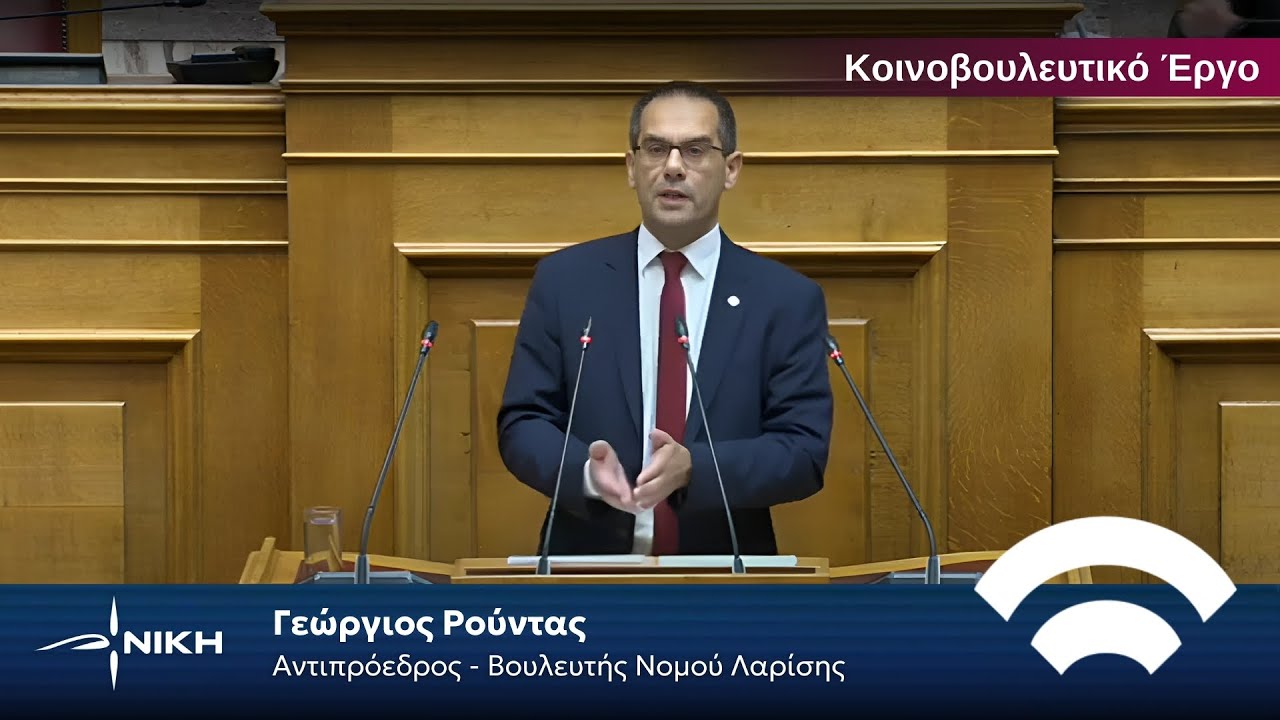
“NIKI- Greek Democratic Patriotic Public Movement” responds clearly to the concerns of parents and puts forward solutions capable of reversing the crisis immediately. First, we propose the establishment of an independent Ministry of the Hellenic Diaspora, not merely a deputy ministry or a secretariat. Such an institution would deal exclusively with all matters concerning expatriate Greeks, coordinate Greek schools and TEGs, monitor their staffing, and ensure a coherent national policy for language and culture. Second, a comprehensive registry and substantive support of all schools is required, along with utilization of local personnel, transparency in the allocation of funds, and continuous communication with parent communities, so that every issue may be addressed promptly and effectively.
NIKI also prioritizes a radical revision of the secondment framework and an increase in teachers’ allowances, so that service abroad becomes dignified and attractive. We must also consider hiring educators native to the host countries—teachers who understand the mindset of the children and whose employment provides an additional reason for the existence of Modern Greek Studies departments at foreign universities (creating incentives for young people to study Greek when employment opportunities await them upon graduation). Without teachers, schools cannot function, and Greek-language education cannot exist. At the same time, preserving the Greek identity of children requires modern digital learning tools, youth exchange visits to Greece, cultural initiatives, and opportunities for connection with the homeland. NIKI also advocates for equal treatment of all Greek children, whether in Greece or abroad, so that no child of Greek descent is ever considered a second-class citizen because of where they live.
Greek-language education is not a luxury but a cornerstone of national continuity. Greece must stand by its children in the diaspora—not in words, but in action. NIKI states unequivocally that supporting Greek-language education is a strategic investment in the future of Hellenism and calls on the State to immediately adopt a unified, coherent, and sustainable policy for all Greek schools and TEGs abroad.