From lockdowns and fines to social division: A political and social assessment of the pandemic.
As the years pass and the pandemic fades to the back of our minds, there is a coordinated effort by the state and systemic mass media to impose an informal, collective amnesty for everything we endured. They ask us to move forward as if nothing happened. However, to ensure such phenomena never recur, we must not forget. And certainly, we must not forgive the unprecedented authoritarianism imposed on Greek society.
We must remember the era when movement required approval from “13033.” The absolute absurdity of having to send a text message just to breathe some fresh air, and the terror of an extortionate 300-euro fine if your mask slipped below your nose on empty streets.
We do not forget the “Petsas List” and the TV channels that, fueled by state funding, cultivated terror 24/7. Simultaneously, we experienced the silencing of every opposing voice. Distinguished scientists and doctors were mocked, censored on social networks, and labeled as “fringe” or dangerous simply because they dared to express scientific reservations about the horizontal and blind application of measures or the medical protocols imposed. Science was transformed into a dogma of a single, absolute truth.
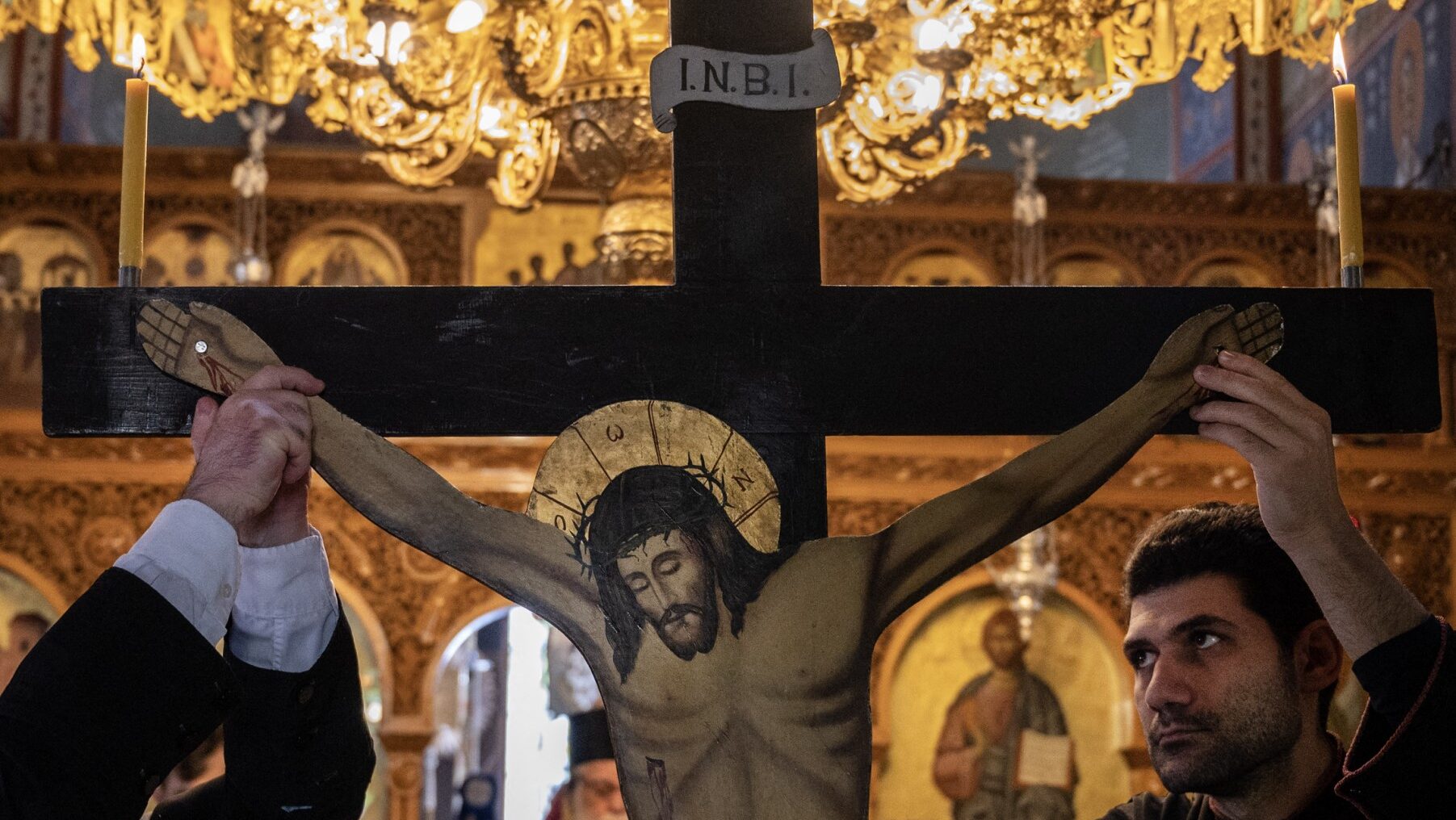
We also cannot overlook the unprecedented insult to religious freedom. For the first time in the history of the modern Greek state, churches were sealed by state order. We lived through the trauma of the “Silent Easter” in 2020, with police cars outside temples preventing the faithful from lighting a candle, while crowding in other spaces was deemed necessary and harmless. We do not forget the hysterical war against the Mystery of Holy Communion—a direct attack on the core of our people’s Orthodox identity, deceitfully presented as a public health threat.
Another open wound was the sacrifice of the younger generation. Schools remained closed for unjustifiably long periods, imprisoning children and teenagers in front of a screen. Remote learning was not just an educational failure but a tool of isolation that caused immense psychological problems for students. They were deprived of socialization, play, and contact, while parents were in despair, trying to balance working from home, economic insecurity, and the role of a computer technician.
The darkest chapter, however, was the deliberate division of Greek society. A “culture of snitching” was cultivated by those in power, where neighbors were encouraged to inform on neighbors if they dared to celebrate Easter with a couple of extra relatives.
We do not forget the segregation of Greeks into vaccinated and unvaccinated through the scanning of QR codes, nor the inhumane suspension of healthcare workers who were left without a livelihood for months. And, of course, we do not forgive the unconstitutional and extortive 100-euro monthly fine imposed on the elderly over the age of 60.
We do not forget the economic destruction of small and medium-sized enterprises (SMEs). We lived through the “theatre of the absurd” with successive lockdowns, “click away” shopping, and barrier tape in store aisles. Family businesses were frozen and went bankrupt, while large multinational supermarket chains and courier companies amassed fortunes undisturbed, absorbing all market wealth. It was the largest violent transfer of wealth from the small to the few and powerful.
Out of this cauldron of authoritarianism, the insult to faith, and social exclusion, an authentic need for political expression was born among people who felt betrayed by the system. NIKI did not appear by chance; it was the voice of conscience for those who refused to succumb to blackmail and who saw the values of Orthodoxy, family, and homeland being trampled upon.
This genuine patriotic movement managed to rally citizens seeking a return to traditional values and respect for human freedoms, acting as a bulwark against the globalist agenda tested during the COVID period. Its entry into the political spotlight is proof that the Greek people, despite the intimidation, maintain the reflexes of resistance against those who attempted to control their souls and their lives.
They tell us: “What is done is done, we made mistakes, let’s move on.” But remembering and holding those responsible accountable is not an act of revenge; it is a duty to the truth and to the Democracy that was placed under suspension. It is our only barrier against future state authoritarianism.
Never forget. Never forgive.
Christodoulos Molyvas Head of the Development and Investment Sector, NIKI Party